


Analyzing Inspection Costs: What is Reasonable? | Commercial property inspector Austin & San Antonio

Updated: Oct 4

Overview
This article explores the key factors that influence the cost of hiring a Commercial property inspector Austin & San Antonio businesses, investors, and property owners can rely on. Inspection pricing can vary based on property size, building complexity, age, condition, scope of work, and the inspector’s experience. We’ll explain how commercial inspection fees are calculated, what services should typically be included, and common mistakes to avoid when choosing an inspector. You’ll also learn how to compare commercial property inspection companies and better understand pricing trends throughout the Austin and San Antonio markets.
Contents
What Represents a Reasonable Price for Different Property Types
- What is the typical cost range for commercial property inspections in Austin?
- What should be included in a commercial property inspection report?
- How can I reduce the cost of a commercial property inspection?
- Why do inspection costs vary between Austin and San Antonio?
This article focuses on Analyzing Inspection Costs; where relevant we also address Commercial property inspector Austin & San Antonio without making speed or the keyword phrase the sole subject of the piece.
When considering a commercial property inspection, understanding what constitutes a reasonable cost is crucial. This is especially true in dynamic markets like Austin and San Antonio, where pricing can vary significantly. The cost of hiring a commercial property inspector in Austin & San Antonio is influenced by several factors, including property size, complexity, and inspector expertise. Knowing these factors can help property owners, buyers, and real estate professionals make informed decisions about what inspection services are essential and how to budget for them.
Factors Influencing Commercial Inspection Costs
The cost of commercial property inspections is primarily driven by the size and complexity of the property. Larger properties or those with intricate architectural features require more time and resources to inspect. In cities like Austin and San Antonio, location can also affect pricing due to varying market demands and cost of living differences. For instance, an inspection in a bustling downtown area might be priced differently compared to one in a suburban setting.
Property type is another key factor—office buildings, retail spaces, and warehouses each have unique inspection needs that can impact costs. Additionally, the reputation and expertise of the inspector can significantly influence fees. Experienced inspectors with specialized certifications might charge more, but their insights can be invaluable. Seasonal demand can also play a role; peak times for real estate transactions can lead to higher prices due to increased demand for inspection services.
Understanding What Services Should Be Included
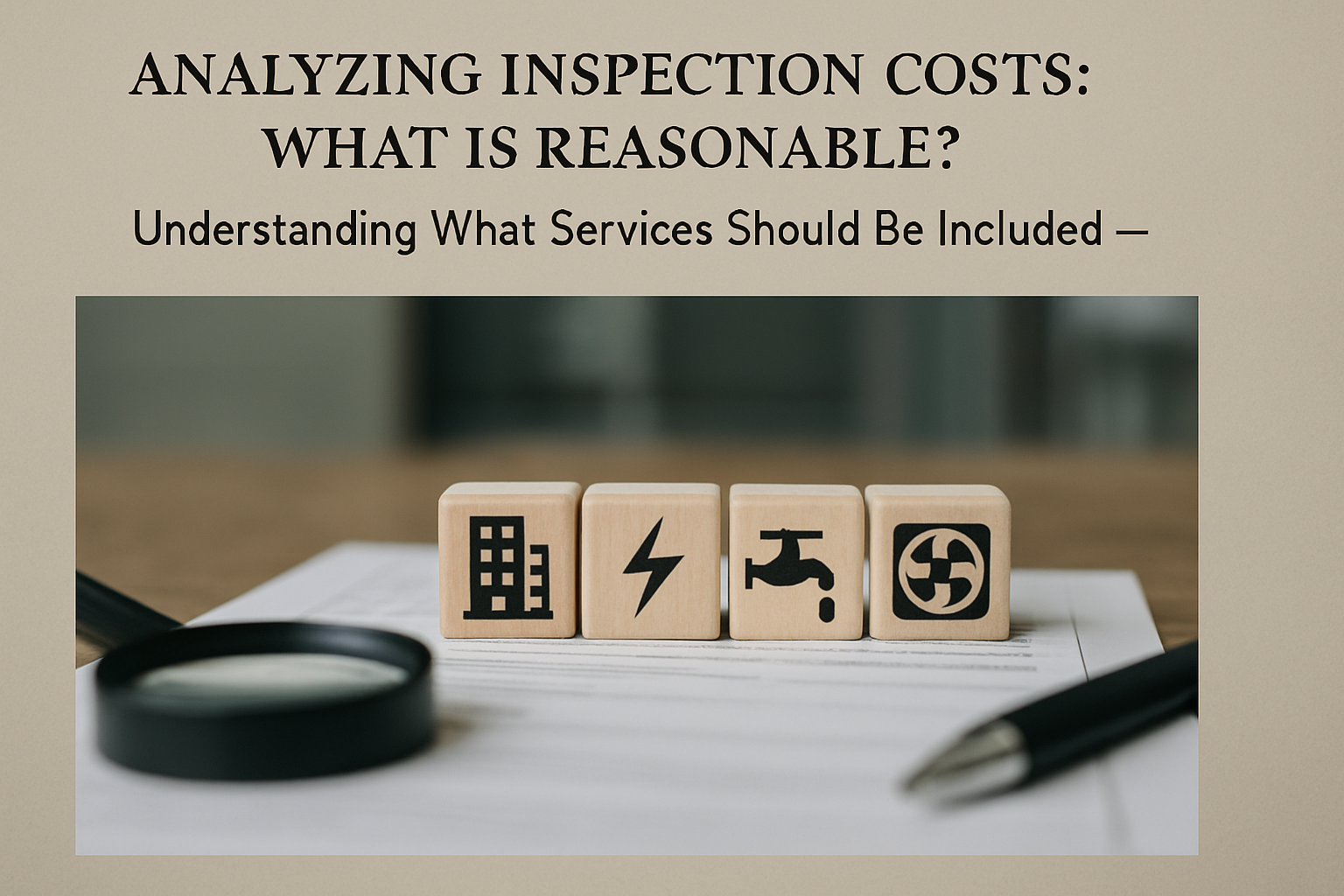
A standard commercial property inspection typically includes a thorough examination of the structure, electrical systems, plumbing, and HVAC systems. Additional services such as environmental assessments can incur extra costs but are often necessary for comprehensive evaluations. An inspection report is a crucial deliverable, providing detailed findings and recommendations.
Technological tools like thermal imaging and drones are becoming more common in inspections, adding precision but also potentially increasing costs. Post-inspection consultations are essential, offering clients a chance to discuss findings and next steps with the inspector, adding significant value to the service.
How Inspection Fees Are Calculated
Commercial inspection fees can be structured in several ways. Some inspectors charge a flat rate, while others base their fees on the square footage of the property. Inspectors often estimate the time and resources needed, factoring in the property’s specific requirements. Market competition can also influence fee structures, encouraging inspectors to offer competitive pricing.
Customized quotes are important, as they account for unique property needs and help avoid potential hidden costs. Clients should inquire about any extra charges to ensure transparency. Understanding these aspects helps in evaluating the true cost analysis of an inspection.
What Represents a Reasonable Price for Different Property Types
Typical inspection costs can vary widely depending on the property type. For example, a small retail space might cost less to inspect than a large industrial facility. Factors such as age, condition, and accessibility of the property can justify higher-than-average fees. Assessing value for money involves comparing the scope of services included in the inspection with the fees charged.
In Austin and San Antonio, regional pricing trends reflect the local real estate market's dynamics. Property owners should consider negotiation strategy tips to ensure they receive fair pricing for the services offered.
Common Mistakes When Hiring a Commercial Property Inspector
Choosing an inspector based solely on price can be risky. It's crucial to verify the inspector's credentials and experience to ensure quality service. Failing to clarify the scope of services beforehand can lead to unmet expectations. Reviewing sample reports can provide insight into the thoroughness of an inspector's work.
Misconceptions about the required time for thorough inspections can also lead to unrealistic expectations. It's important to allocate sufficient time for a detailed inspection to avoid missing critical issues.
Comparing Inspection Companies and Alternatives
When evaluating inspection companies, it's important to consider criteria such as experience, reputation, and service scope. National firms might offer broad resources, but local companies often provide more personalized service. Hiring specialist inspectors for unique property features can also be beneficial.
Seeking referrals and reading reviews can aid in making informed decisions. For a comprehensive understanding of the inspection landscape, exploring environmental hazards impact on property inspections is advisable.
Advanced Considerations for Commercial Property Inspections
Recent regulatory changes can impact inspection practices, necessitating updated knowledge from inspectors. Advanced technologies, like AI and machine learning, are enhancing the accuracy and efficiency of inspections. Ongoing maintenance inspections are crucial for long-term cost savings, aligning with future property plans.
Sustainability and green certifications are becoming increasingly important, influencing inspection needs and practices. Staying informed about emerging inspection trends can help property owners stay ahead in the evolving market.
Your Next Steps!
Consider reaching out to several commercial property inspectors in Austin and San Antonio to obtain customized quotes. This will help you understand the range of services offered and the associated costs, ensuring you get the best value for your investment. Evaluating different inspectors based on their credentials and experience is crucial to making an informed decision.
Savvy Inspections is ideal for property owners, buyers, and real estate professionals navigating decisions related to property purchases, sales, or ongoing maintenance. To begin, identify your specific inspection needs and contact Savvy Inspections to discuss how their services can align with your property goals and budget.
FAQs - Commercial Property Inspector Austin & San Antonio, TX
What is the typical cost range for commercial property inspections in Austin?
The cost range for commercial property inspections in Austin typically falls between $1,500 to $5,000, depending on property size and complexity.
How do I know if an inspection quote is reasonable?
Evaluate the scope of services offered, inspector credentials, and compare with regional averages to determine if a quote is reasonable.
What should be included in a commercial property inspection report?
A comprehensive report should include structural assessments, system evaluations, and any identified issues with recommendations.
How can I reduce the cost of a commercial property inspection?
Consider bundling services, negotiating fees, and ensuring a clear understanding of necessary inspection scopes to reduce costs.
Are there any additional fees I should be aware of?
Additional fees may include environmental assessments and specialized inspections. Clarify these with the inspector beforehand.
How often should commercial properties be inspected?
It's recommended to inspect commercial properties annually, or more frequently if specific issues are identified.
What questions should I ask a potential inspector?
Inquire about the inspector's experience, scope of services, and ask for sample reports to ensure a thorough vetting process.
Can inspection costs be negotiated?
Yes, inspection costs can often be negotiated. Discuss your budget and seek a package that meets your needs.
Why do inspection costs vary between Austin and San Antonio?
Cost variations are due to differences in market demand, cost of living, and regional real estate dynamics.
Conclusion
Understanding inspection costs and what is considered reasonable is essential for anyone involved in commercial real estate. Thorough research and comparison of inspection services can lead to more informed decisions. Consulting multiple inspectors and requesting detailed quotes can help identify the best fit for your needs. Investing in quality inspections is a wise decision for long-term property success, as it can prevent costly repairs and ensure the safety and compliance of your property. Take the next step by scheduling consultations or requesting quotes from qualified professionals to ensure a comprehensive evaluation of your commercial property.
Updated October 2026
Steve Madina — CEO
Phone: 886-251-2630
Founder of Savvy Inspections and Phase 1 Enviro Pros, specializing in commercial property inspections and environmental due diligence. He helps investors and real estate professionals uncover hidden risks—such as environmental concerns and permit issues—before they impact a deal. His work focuses on delivering clear, actionable insights that support smarter, more confident property decisions.



Comments